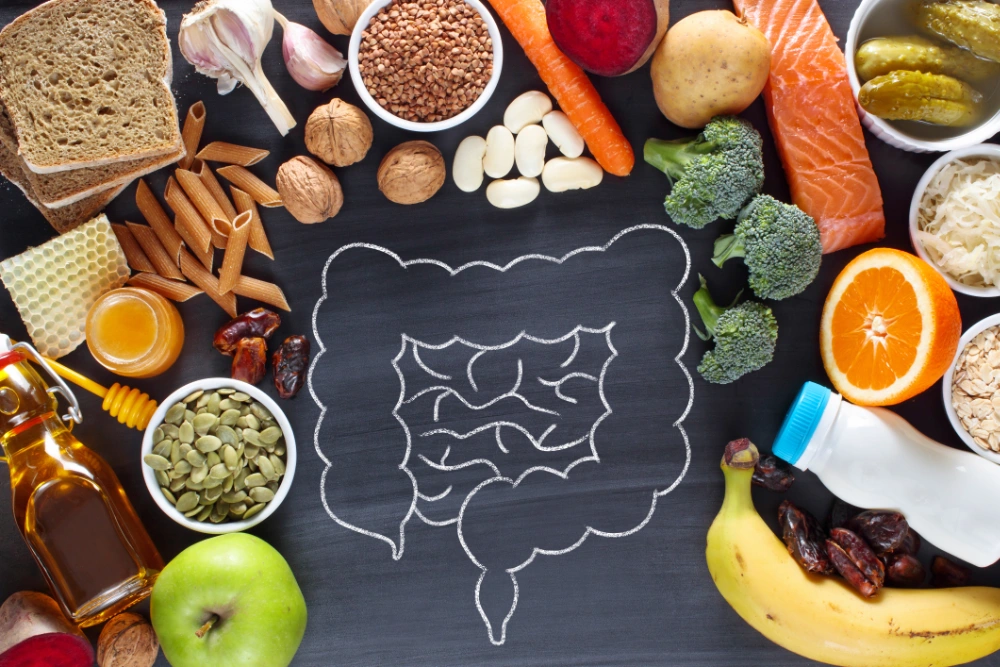
How a Happy Gut Leads To Hormonal Harmony
20 March, 2025
In this post, we’ll dive into how an unhappy gut could be sabotaging your hormonal balance, what signs to watch for, and simple strategies to restore harmony through gut healing. Get ready to discover how nurturing your gut can be the first step toward achieving hormonal balance and feeling your best!
From fluctuating moods to pesky PMS symptoms, many women are unknowingly facing hormonal imbalances that can often be traced back to gut health.
The gut and hormones are closely connected and have a bidirectional relationship. When your gut is out of balance, it can throw your hormones off track too.
The Gut-Hormone Connection
Gut dysbiosis plays a significant role in the progression and symptoms of hormonal disorders. Here’s some examples of how it affects hormonal balance:
Oestrogen Reactivation
An unhealthy gut can lead to an enzyme called beta-glucuronidase, which reactivates oestrogen. This process can cause oestrogen levels in your body to rise more than they should.
The gut microbiome
Your gut microbiome also helps regulate sex hormones with imbalances contributing to higher levels of male hormones (androgens). On the flip side, a healthy gut microbiome supports the activation of thyroid hormones, reduces inflammation, helps regulate the HPA (hypothalamic-pituitary-adrenal) axis, and ensures your body properly metabolizes oestrogen!
The Impact of Gut Imbalance on Hormones
When your gut isn’t in balance, it can be a root cause of many hormonal issues, so getting your gut back in check is crucial for improving your overall hormonal health. And did you know that a diverse gut microbiome is also linked to fewer PMS symptoms? A healthy gut can make a big difference!
So, if you’re dealing with hormonal imbalances, addressing your gut health could be the key to finding balance again.
Signs Your Gut Health Might Be Affecting Your Hormones
Irregular moods and mood swings
This is common during PMS, and they may be linked to imbalances in the gut microbiome.
Gastrointestinal issues
Symptoms such as bloating, constipation, or discomfort are also prevalent and can worsen during PMS. These digestive symptoms are connected to the gut’s ability to process and regulate hormones.
Serotonin production
Did you know that about 90% of serotonin (the “feel-good” hormone) is made in your gut? Low gut health can lead to low serotonin levels, which can cause mood swings, digestive issues, and sleep problems.
Feel like you’re always tired? Or dealing with anxiety, sleep disturbances, or even heartburn? These are all common signs of gut imbalances that can affect your hormones too. PMS could be a signal that your gut health needs attention. Improving gut health may help alleviate these symptoms and promote overall well-being.
Probiotics, Prebiotics, and Their Role in Hormonal Balance
Probiotics
These are the “good” bacteria that help support a healthy gut microbiome. You can find them in fermented foods like kefir, sauerkraut, and kimchi, or in supplement form.
These helpful bacteria do more than just support digestion—with a healthy gut this will also help regulate your hormones, reduce inflammation, and support detoxification.
Prebiotics
These are fiber-rich foods that act as nourishment for the beneficial microbes in the gut. They encourage the growth and activity of good bacteria, which in turn support hormonal health. A healthy gut microbiome helps with the metabolism of hormones and the regulation of processes like insulin sensitivity and oestrogen balance.
Certain strains of probiotics are more effective for specific conditions, so it’s important to choose the right one for your needs. However, optimising your diet with fiber-rich prebiotics should be a priority before introducing probiotics, as dietary changes can have a more significant, lasting impact on gut health.
Together, probiotics and prebiotics work synergistically to maintain a balanced gut, which is essential for hormonal health.
Natural Remedies for Healing Your Gut and Restoring Hormonal Balance
Supporting oestrogen metabolism
This involves the removal of oestrogen from your body, by supporting the liver with nutrients such as vitamin B6, zinc and magnesium, and removing endocrine disruptors from the body to reduce the toxic load on your liver such as alcohol. To support the elimination of oestrogen, you must have a healthy gut and microbiome to assist with removal via your stool.
Avoid a high sugar diet
Sugar can lead to a reduction in gut diversity and can result in inflammation and can impact our overall health.
Probiotics and Prebiotics
These will help restore a healthy gut microbiome.
High fiber foods
These help to feed the friendly bacteria. Focus on foods such as vegetables and pulses, to promote a healthy microbial diversity and gastrointestinal motility.
Probiotic foods
Eating foods such as Kimchi support the friendly bacteria.
Simple Lifestyle Changes to Support Gut and Hormonal Balance
Prioritise good sleep hygiene
Poor sleep can disrupt the gut microbiome and contribute to dysbiosis. A useful tip to get a good night’s sleep starts in the morning by getting 10 minutes of natural daylight when you first wake up every day, as this helps to regulate your body’s natural body clock!
Manage stress levels
Chronic stress can also lead to an imbalance in the gut microbiome, which in turn can affect hormonal health. Some ideas on how to manage stress include:
- Set yourself up for a good night’s sleep using the tip above!
- Try to avoid a morning coffee, as this is when your cortisol (stress hormone) levels are at their highest!
How to Test for Gut Imbalances
Stool tests provide a comprehensive insight into your overall gut health and provide information on what is needed to correct imbalances. They provide recommendations based on what your body needs by addressing the root cause.

Book a FREE discovery call
If you’re experiencing symptoms of hormonal imbalances or gut health concerns please don’t hesitate to get in touch using the form below.